
Find out in this article why your skin reacts so sensitively to changes in weather and heated air, how to protect it ideally, and which six skincare-routine tips will make dry skin in winter a thing of the past.
Why does dry, itchy skin occur in winter?
In winter, our skin is exposed to particularly great stresses: humidity is lower both indoors and outside, and the cold also takes its toll. The rapid transition from freezing cold to dry heated air and back again is particularly stressful for our skin.
Itchy skin in winter is also caused by heated air, which not only draws moisture from the skin but also attacks its natural barrier—its own protective mechanism. Normally, our sebaceous glands secrete a protective lipid film that keeps skin supple. When temperatures fall, the skin reduces sebum production; in extreme cold, it may stop it altogether.
Blood circulation also changes and can lead to dry skin in winter. Cold causes the blood vessels beneath our skin to constrict to retain the body’s heat. As a result, the skin receives less blood, reducing its supply of oxygen and nutrients. This undersupply can bring symptoms such as tightness, itchy skin or extreme dryness.

Source: m-gucci/iStock
6 tips against dry skin in winter
Do you suffer from skin changes every year during the cold season? With our six tips, you can prepare your skin ideally for winter and prevent dryness and itchy patches.
Tip 1: Your skin type determines your skincare products
Have you ever taken a close look at your skin or even had your skin type determined? If not, you should do so as soon as possible, because knowing your skin type is the basic prerequisite for finding suitable care for dry skin in winter.
It is also important not to choose the cheapest options: they often contain mineral oils or paraffins that further irritate and dry out your skin. Especially if you tend to have sensitive skin, make sure your skincare products contain as few ingredients as possible and no additives such as colourants, fragrances or alcohol.
Do you not know your skin type or simply cannot find the right care products for itchy skin in winter? Then seek advice from a cosmetic studio you trust or your dermatologist.
Tip 2: Avoid hot water if your skin is itchy in winter
Do you slip straight from your warm bed into a hot shower early in the morning, or love relaxing in a steaming bath on cold winter days? In future, it is better to avoid this if you have dry skin in winter: hot water combined with soap or shower gel attacks your skin’s natural protective mantle and can lead to extreme dryness or itching.
Make sure your water temperature does not exceed 39 °C. When soaping up, also limit yourself to less sensitive body areas, such as your arms and legs. Do not enjoy your well-deserved relaxing bath for longer than 10 to 15 minutes, otherwise your skin will lose moisture. Ideally, also use a replenishing oil bath that cares for your skin.
Tip 3: Cold protection for dry skin in winter
The more your skin is supplied with care products, the better prepared it is for constant temperature changes between warm indoor temperatures and the cold outside. For facial care in winter: reduce the water content in your products and increase the lipid content. For dry winter skin, oils such as almond, jojoba or wheatgerm oil, or shea butter, work wonders because replenishing ingredients form a protective film over your skin and lock in moisture and nutrients.
You can also use a serum beneath your nourishing cream to combat dry skin in winter. Just a few drops are enough to give stressed skin a generous dose of care. Serums containing hyaluronic acid, aloe vera, vitamin C, peptides and collagen are especially suitable.
Sensitive body areas particularly need help with dry skin in winter: protect the delicate skin of your lips during the cold season with lipid-rich creams. You should also care for areas such as legs and elbows daily to keep skin supple.
Tip 4: Beautiful hands despite itchy skin in winter
Frequent handwashing has been part of our daily routine since long before COVID. But the pandemic and accompanying hygiene measures such as regular disinfection put additional stress on the skin of our hands, as disinfectants often contain a high proportion of alcohol.
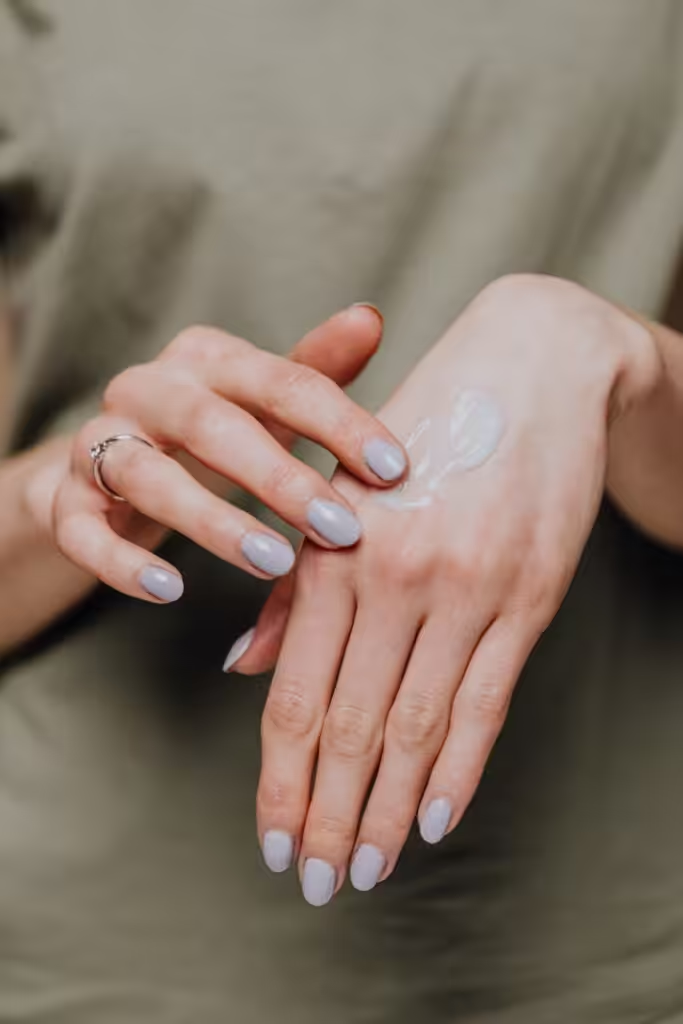
To prevent dry skin in winter, use a mild, pH-skin-neutral soap, always rinse soap off thoroughly and dry your hands completely. You can also supply your skin with moisture and nutrients through a good hand cream.
If you often wash dishes by hand, this can dry out your skin further: dishwashing liquids have a strongly degreasing effect and remove important oils from your skin too. The same applies to cleaning products. Therefore, always do the washing-up or household cleaning with protective rubber gloves.
On your way to work or on a winter walk, protect your hands from the cold: apply cream well before leaving the house and wrap your hands in warming gloves. This helps prevent cracked skin and sore hands.
Tip 5: Increase indoor humidity
Dry heated air draws valuable moisture from your skin and also makes the climate in your rooms dry and unhealthy. Regularly airing rooms briefly and intensely can improve indoor air quality and reduce dry skin in winter. Your lungs will thank you too.
In addition to regular ventilation, houseplants can increase humidity in your rooms. Plants evaporate watering water through their leaves and thereby increase humidity. In turn, this keeps your skin from drying out.
Our SOS tip for dry, itchy skin in winter: place bowls of water on your radiator. They release moisture into the room, increase humidity and improve the overall indoor climate during the heating period. This keeps your skin supple.
Tip 6: Combat dry skin in winter with professional treatments
Despite suitable care, dry skin in winter can become a problem: if creams, serums and the like no longer help, seek professional advice—from a dermatologist or a cosmetic studio you trust. At Sanft & Schön in Berlin Mitte, we offer numerous facial treatments that immediately improve your itchy skin in winter.
Our Aquafacial hydrates dry and sagging skin and creates a flawless complexion. Innovative vortex technology works antioxidants, vitamins, hyaluronic acid and botox-like substances into your previously cleansed skin. Thanks to opened pores, these highly effective substances can penetrate deep skin layers and work there. Reducing large pores, clearing blemished skin and skin rejuvenation are positive side effects of the treatment.

Conclusion: Our 6 tips work against dry skin in winter
Does dry, itchy skin plague you every winter? With our six tips, your skin will get through the cold season unscathed! It is important to use care products with a higher lipid content that still suit your skin type.
Also avoid long baths and hot showers, which put additional stress on your skin and draw away moisture. Apply rich care daily to sensitive body areas such as your lips or legs—the same applies to your hands, which must also be protected with gloves from harsh cleaning products and freezing cold. How to emphasise a naturally healthy-looking complexion even without make-up is explained in our article beautiful without make-up.
To avoid dry heated air indoors and improve your indoor climate, you can air rooms regularly, put out bowls of water or improve air quality with houseplants. Your dry skin in winter will thank you!
Our professional facial treatments at Sanft & Schön also provide quick relief for itchy skin in winter: whether hydrating Aquafacial, a nourishing mask or luxurious moisture treatments—your skin gets exactly what it needs with us. We will be happy to advise you in detail and look forward to your visit!