What is combination skin?
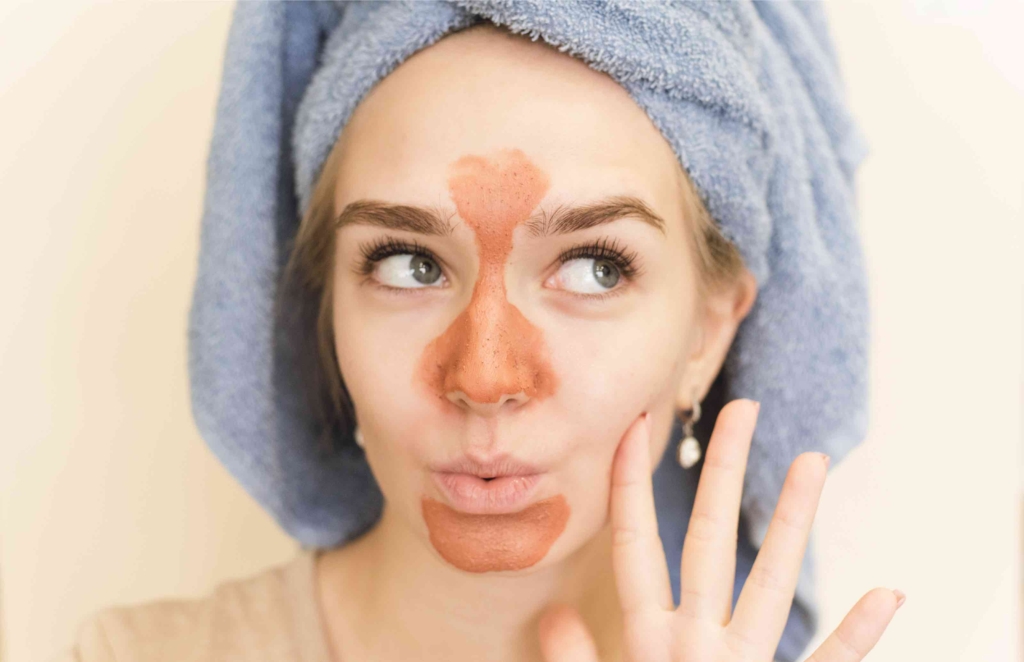
Combination skin describes a skin type that produces more oil in the T-zone—on the forehead, nose and chin. This is because sebum production is particularly high there, making blackheads, pimples and blemishes more likely. The cheeks and eye area, on the other hand, have reduced sebaceous-gland activity and are therefore often cracked and dry. This may be due to your biological predisposition, your hormonal balance or skincare products that do not suit your skin.
Overly aggressive creams and shower gels can strongly irritate sensitive facial skin. The cheek area then loses moisture in its deeper layers. The result is a persistently oily T-zone together with flaky cheeks that tend to age faster. So what can you do about it?
Caring for combination skin: The right routine is essential
Around 20 percent of women worldwide have combination skin. That is why most products designed for the mass market are unsuitable for women with combination skin. For a perfect balance between oily and dry facial areas, there are several things to consider in your routine.

Source: Vitória Santos/pexels
1. Caring for combination skin starts with cleansing
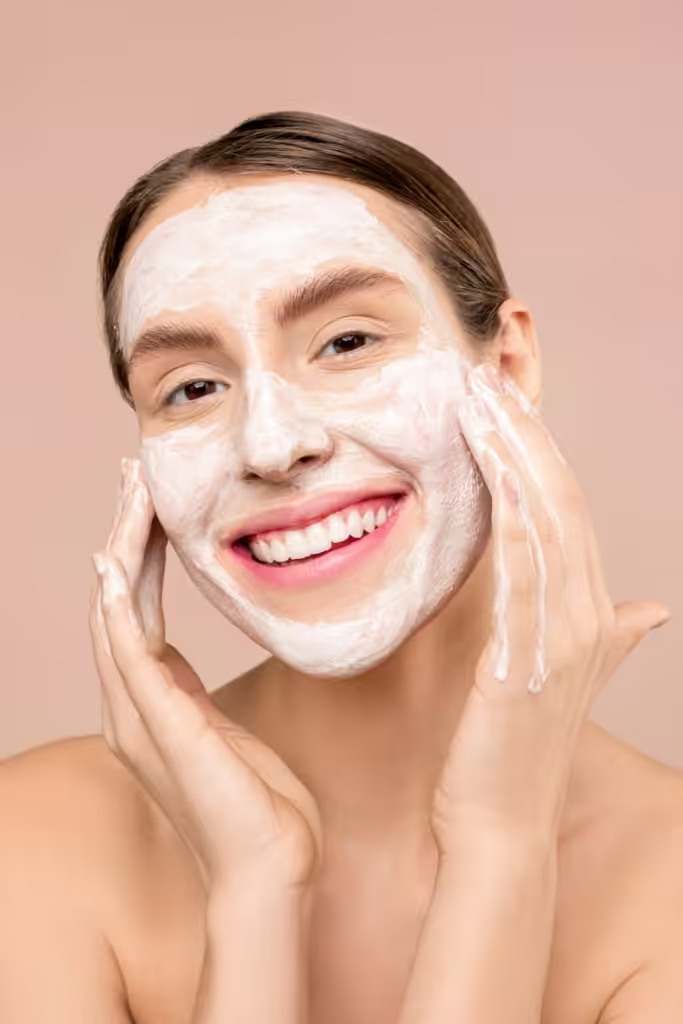
Daily facial cleansing plays an important role. Gentle cleansing lotions or cleansing milk remove sweat while moisturising dry areas. It is best to use these lotions in both the morning and evening to remove impurities caused by car exhaust, fine dust, diesel soot and acid rain, and to prevent sweat produced overnight from clogging pores and causing blemishes.
2. The right toners and creams are crucial
Gentle, oil-free toners and creams that mattify while moisturising are ideal for combination skin. They balance both skin zones without neglecting either one. Cracked areas receive the moisture they need, while sebum production in the T-zone is inhibited. You should also make sure that toners and creams are non-comedogenic. This means that the extra layer on the skin will not clog pores.
3. Sun protection is essential
When sun exposure is high, it is advisable to apply sufficient sunscreen—regardless of whether you have combination skin. UV radiation draws moisture from the skin and causes it to feel tight and itchy. To compensate for the missing moisture, facial skin produces excessive sebum, which is particularly unfavourable for the T-zone. The result: blemished skin. But not every sunscreen is suitable for people with combination skin. Make sure your sunscreen is oil-free and non-comedogenic too. Creams with a sebum-regulating and therefore mattifying effect are ideal for the complexion.
If you forget your sunscreen at home on your next swimming trip and return with sunburn, you will find a first-aid guide for sunburn in our article.
4. Caring for combination skin through a healthy diet
It has long been no secret that diet has a considerable influence on our quality of life and complexion. The body converts excess carbohydrates into sugar, which settles in body cells and causes inflammation there. Commercial sugar and salt also negatively affect the appearance of the skin and make it age faster. A balanced, healthy diet therefore makes a significant contribution to radiant skin.
Source: Shiny Diamond/pexels
5. Face masks and exfoliants help with care
Face masks and exfoliants are a fantastic addition to daily cleansing. Sebum-absorbing, pore-refining masks care for combination skin ideally without stripping it of moisture. For exfoliation, use BHA products (chemical peels) whenever possible. They are particularly suitable for acne, blemishes and people with combination skin. You can apply peels and face masks once or twice a week so your skin becomes balanced and even. They also gently remove dead skin flakes and open pores without unnecessarily irritating the skin.
6. Regular cosmetic-studio facial treatments
You can comfortably use all the methods above at home. But if you want to remove blemishes sustainably and give your skin a rejuvenating boost, a cosmetic studio works best. The most popular facial treatment we offer is Microneedling Berlin Mitte. By gently perforating the horny layer and deeper skin layers, this treatment removes all impurities and is excellent for combination skin.
Two other effective methods are Aquafacial Berlin Mitte and Microdermabrasion Berlin Mitte. Both methods use a vacuum to reduce pores and deeply cleanse the skin.
Caring for combination skin: What should you consider with make-up?
Nothing now stands in the way of your skincare routine. But one thing is still needed to make the most of it: choosing the right make-up. Oil-free, lightweight products are best so that skin does not look even oilier than it already does. Oil-free foundations and mineral-based primers should not have excessive coverage, otherwise too many pores become clogged and blemishes develop.
BB creams or tinted day creams are an excellent alternative to foundations. Unlike foundations, they moisturise dry areas without blocking pores that are already enlarged by increased sebum production. They also have an antibacterial effect and conceal oily areas of the T-zone through their mattifying effect.
If you want to reduce large pores, we have compiled ten tips on the subject.
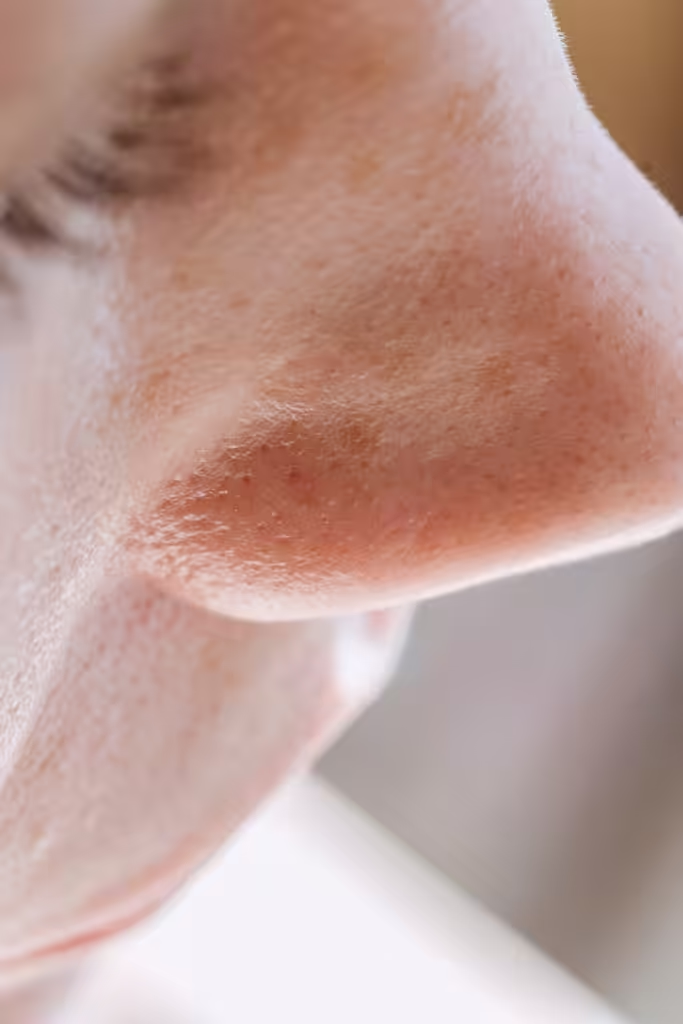
Used sparingly, powder also balances oily facial areas and noticeably reduces shine. Blemishes are covered and the overall look becomes even. With all products, look for natural ingredients, a long-lasting mattifying effect and moisturising properties.
Caring for combination skin: Ingredients make the difference
People with combination skin need to find the right care for two different skin types: one dry and one oily area. This calls for products with special ingredients that address the needs of both skin types to create balance in facial care. Witch hazel, for example, has an anti-inflammatory and skin-refining effect. Calendula and aloe vera have a similar effect. They moisturise and balance oily areas.
Conclusion
People with combination skin should make sure that creams and cleansing gels do not excessively dry out or burden the skin. Oil-free products with natural ingredients are particularly effective for caring for combination skin because they soothe and strengthen facial skin at the same time. Daily cleansing, suitable sun protection and a healthy diet also help balance the different facial areas.
You should largely avoid make-up and, when using it, make sure products are oil-free. Mattifying make-up is perfect for concealing shiny areas.